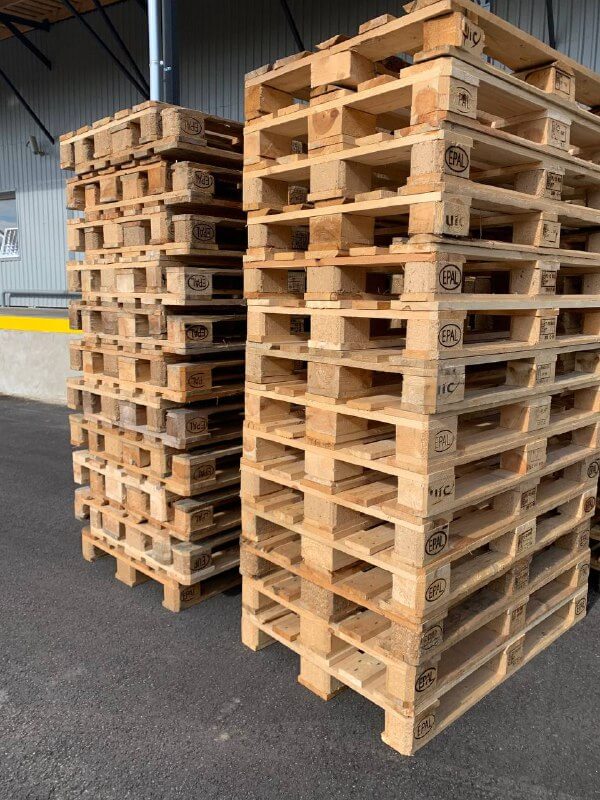
New Pallets for Sale: Your Comprehensive Guide
Pallets are a vital part of the logistics and supply chain industries. From warehouses to retail outlets, these strong platforms play a vital function in transferring goods efficiently. As companies progressively try to find ways to enhance their operations, comprehending the types of pallets available and where to find them becomes critical. This post will explore the different choices for new pallets for sale, their functions, advantages, and pointers on how to select the best pallets for your specific requirements.
Comprehending Pallet Types
Before diving into where to buy new pallets, it's vital to comprehend the different types available on the marketplace. Each type comes with its benefits and is appropriate for numerous applications.
1. Wood Pallets
Description: Traditional wooden pallets are maybe the most recognized type in the marketplace. Made from natural lumber, they are strong and durable.
Features:
- Average Load Capacity: 1,500 to 2,500 pounds
- Ecologically friendly if sourced sustainably
- Can be repaired and recycled numerous times
2. Plastic Pallets
Description: Plastic pallets are increasingly popular due to their lightweight nature and resistance to wetness.
Functions:
- Average Load Capacity: 2,500 to 4,000 pounds
- Resistant to chemicals and humidity
- Easy to clean up and decontaminate
3. Metal Pallets
Description: Metal pallets, typically made from aluminum or steel, supply remarkable toughness.
Functions:
- Average Load Capacity: 4,000 lbs and above
- Suitable for heavy materials
- Resistant to ecological factors
4. Composite Pallets
Description: Composite pallets integrate different products, such as wood and plastic or metal and wood, to use customized advantages.
Functions:
- Load Capacity: Varies commonly
- Light-weight yet sturdy
- Often more cost-effective than metal pallets
Comparison Table
| Kind of Pallet | Material | Typical Load Capacity | Environmental Impact | Upkeep Needs |
|---|---|---|---|---|
| Wood Pallets | Wood | 1,500 - 2,500 pounds | Moderate | High |
| Plastic Pallets | Plastic | 2,500 - 4,000 pounds | Low | Low |
| Metal Pallets | Metal | 4,000+ lbs | Moderate | Moderate |
| Composite Pallets | Combined | Varies | Low to Moderate | Low |
Where to Buy New Pallets
1. Local Suppliers
Local providers can be an outstanding source for new pallets. They frequently have a range of alternatives and can offer individualized service.
Pros:
- Quick shipment
- No shipping costs
- Capability to examine items before buying
Cons:
- Limited stock
- Higher rates due to local sourcing
2. Online Retailers
A myriad of online platforms provides new pallets, making it simple to compare rates and features. Sites such as Uline, Global Industrial, and PalletOne provide substantial brochures.
Pros:
- Vast selection
- Competitive rates
- Benefit of online shopping
Cons:
- Shipping expenses
- Problem in evaluating item quality without seeing it first
3. Wholesale Distributors
Wholesale distributors often use bulk buying alternatives, which can considerably minimize costs for services wanting to buy large quantities.
Pros:
- Significant discount rates on bulk orders
- Access to a wide variety of pallet types
- Possible funding options offered
Cons:
- Minimum order amounts may be high
- Longer delivery times
4. Specialized Manufacturers
For services with specific needs, specialized producers provide custom-made pallet services customized to unique requirements.
Pros:
- Customized design and measurements
- Premium products
- Specialized features (e.g., branding, RFID tags)
Cons:
- Higher expenses
- Longer production times
Factors to Consider When Choosing New Pallets
Selecting the ideal pallet includes considering numerous elements that could affect your operation.
1. Load Capacity
Know the maximum weight your pallets will carry. This is vital to avoid damage throughout transportation and storage.
2. Material Type
Pick a product that fits your logistics needs. For instance, if you are carrying food items, plastic pallets might be preferable due to their ease of cleansing.
3. Expense
Set a budget and consider both the preliminary costs and the long-term worth. While less expensive choices might conserve you cash in the short-term, they might not be the best financial investments over time.
4. Ecological Impact
If sustainability is a priority, research study providers who offer recycled or sustainably sourced pallets.
5. Compliance Standards
Make sure that the pallets you pick meet any industry guidelines or requirements, particularly in sectors like food and pharmaceuticals.
FAQ
What is the life expectancy of a wooden pallet?
The life-span of a wooden pallet usually varies from 5 to 10 journeys, depending upon use and care. They can be repaired and recycled, extending their life.
Can plastic pallets be recycled?
Yes, most plastic pallets are recyclable. When they reach completion of their practical life, they can be processed into new plastic products.
Are metal pallets worth the investment?
While the preliminary expense is higher, metal pallets provide exceptional durability and load capability, making them a long-term investment for durable applications.
How do I maintain my pallets?
Appropriate maintenance includes regular examinations for damage, cleaning to avoid contamination, and storing them in a dry place to avoid warping or rotting.
In summary, new pallets are necessary for enhancing the performance of logistics and supply chain operations. Whether you pick wood, plastic, metal, or composite pallets, comprehending their features, advantages, and where to purchase them is crucial to optimizing your company procedures. By thinking about read more as load capacity, product type, and environmental impact, you can make an educated decision that suits your operational requirements. Accept the world of pallets, and see how they can transform your logistics technique.